5G UC, short for Ultra Capacity, has become one of the most confusing icons on smartphones in the U.S. In 2026, millions of users see “5G UC” light up on their screens. Yet many still ask what it actually means, why speeds sometimes feel slow, and whether it drains battery faster than LTE or regular 5G.
This guide explains 5G UC in plain language. It covers how it works, whether it is better than standard 5G, why it can feel inconsistent, and what you should do if your phone struggles with it.
The goal is simple. Answer every major People Also Ask question while giving you real-world clarity.
What Does 5G UC Mean?
5G UC stands for 5G Ultra Capacity. It is a network label used by T-Mobile to indicate that your phone is connected to its highest-performance 5G layers.
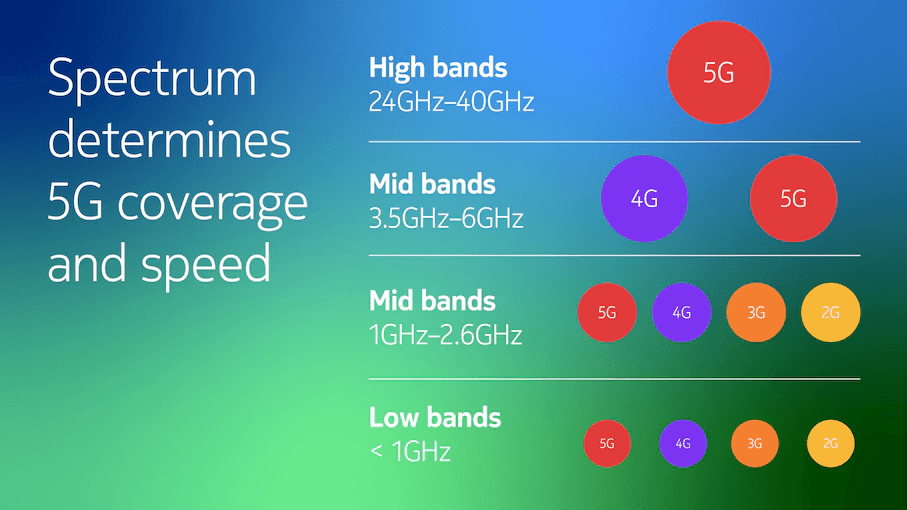
Unlike basic 5G, Ultra Capacity uses faster spectrum bands that deliver:
- Higher download and upload speeds
- Lower latency for real-time apps
- Better performance in crowded areas
When your phone shows 5G UC, it means you are not on entry-level 5G.
Is 5G UC Better Than Regular 5G?
Yes. In most real-world situations, 5G UC is significantly better than regular 5G.
Key Differences Explained Simply
| Feature | Regular 5G | 5G UC |
|---|---|---|
| Typical speed | 50–150 Mbps | 300–800 Mbps |
| Latency | Moderate | Low |
| Crowd handling | Weak | Strong |
| Spectrum used | Low-band | Mid-band and mmWave |
Regular 5G often feels like improved LTE. 5G UC is where the technology actually delivers next-generation performance.
How Fast Is 5G UC Really?
This is one of the most searched questions.
In 2026, real-world 5G UC speeds typically land between:
- 300 to 800 Mbps on mid-band
- 1 to 3 Gbps in mmWave zones
Actual speed depends on location, signal strength, and network congestion.
In dense environments like stadiums, airports, and downtown areas, Ultra Capacity networks hold up far better. That reliability matters during live events such as the 2026 Pro Bowl, where thousands of users hit the network at once. https://yadavnews.in/sports/2026-pro-bowl-roster/
What Carriers Use 5G UC?
Only T-Mobile uses the “5G UC” label.
Other U.S. carriers use different names for similar high-capacity 5G networks:
- 5G UW. Used by Verizon
- 5G+. Used by AT&T
The technology is similar. The branding is not.
Does 5G UC Require a New Phone?
In most cases, yes.
Your phone must support mid-band 5G and sometimes mmWave to access Ultra Capacity.
Phones That Support 5G UC
- iPhone 12 and newer
- Samsung Galaxy S21 and newer
- Google Pixel 6 and newer
Many budget phones show “5G” but cannot access UC-level spectrum.
Why Does 5G UC Feel Slow Sometimes?
This is one of the biggest pain points.
Common Reasons 5G UC Slows Down
- Network congestion during peak hours
- Weak indoor signal penetration
- Phone switching between bands
- Distance from mid-band towers
5G UC is fast, but it is not immune to physics. Walls, buildings, and distance still matter.
If your data suddenly feels slow, it is often the phone falling back to a weaker band.
Why Is My 5G UC Signal Poor?
Poor 5G UC signal is usually caused by coverage gaps.
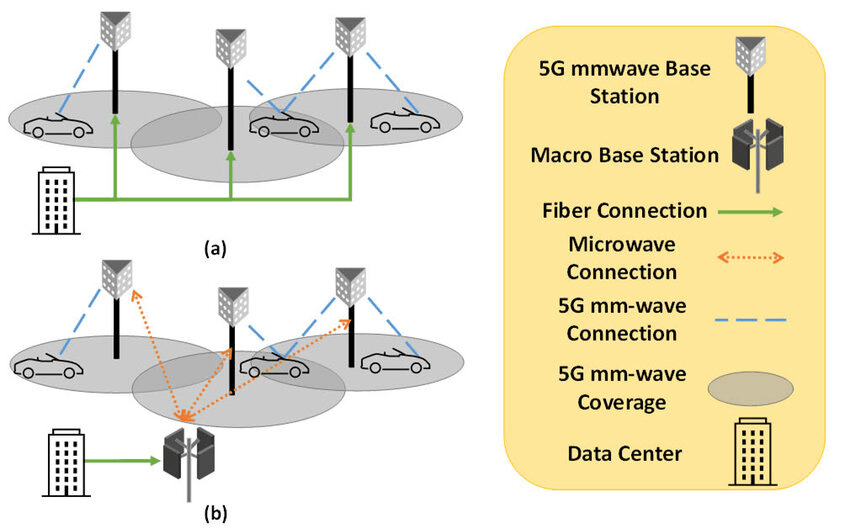
Ultra Capacity relies on higher frequencies, which do not travel as far as LTE. Indoors, this can mean:
- Dropped UC connection
- Slower speeds than expected
- Frequent switching between 5G and LTE
This is improving over time as carriers deploy more small cells.
How Can I Improve My 5G UC Signal?
You cannot boost the network itself, but you can improve how your phone connects.
Practical Tips That Actually Help
- Move closer to windows indoors
- Avoid basements and elevators
- Update your phone’s software
- Toggle airplane mode briefly to refresh signal
If UC coverage is consistently weak in your area, LTE may actually feel more stable.
Is It Better to Use 5G UC or LTE?
It depends on what you value.
Choose 5G UC If You Want
- Faster downloads
- Smoother streaming
- Better performance in crowds
Choose LTE If You Want
- Maximum battery life
- Consistent indoor signal
- Stable performance in rural areas
Many users switch dynamically without realizing it.
Does 5G UC Drain Battery Faster?
Battery drain is one of the most searched concerns.
Short Answer
Yes, but less than it used to.
Long Answer
Early 5G phones consumed more power. In 2026, newer modems are far more efficient.
Battery drain increases when:
- Signal is weak
- Phone constantly switches bands
- Heavy background data is running
If your battery drops from 70 percent to 20 percent quickly, UC is not always the sole culprit. Screen brightness, apps, and background syncing matter more.
Should I Leave 5G UC On?
For most users, yes.
Modern phones manage network switching automatically. Turning off 5G rarely produces massive battery savings anymore.
However, if you notice consistent battery problems, temporarily switching to LTE can help diagnose the issue.
Why Are Some People Leaving T-Mobile Because of 5G UC?
This question shows up frequently in search.
The reasons are rarely about speed alone.
Common complaints include:
- Inconsistent indoor coverage
- Aggressive network switching
- Battery concerns on older phones
In urban areas, Ultra Capacity performs extremely well. In fringe or indoor-heavy environments, frustration grows.
Is 5G UC Safer Than LTE?
Yes. 5G UC operates within strict U.S. safety regulations.
According to the Federal Communications Commission, all 5G emissions are well below exposure limits.
For scientific background, see Wikipedia’s 5G overview.
How 5G UC Is Changing Daily Life
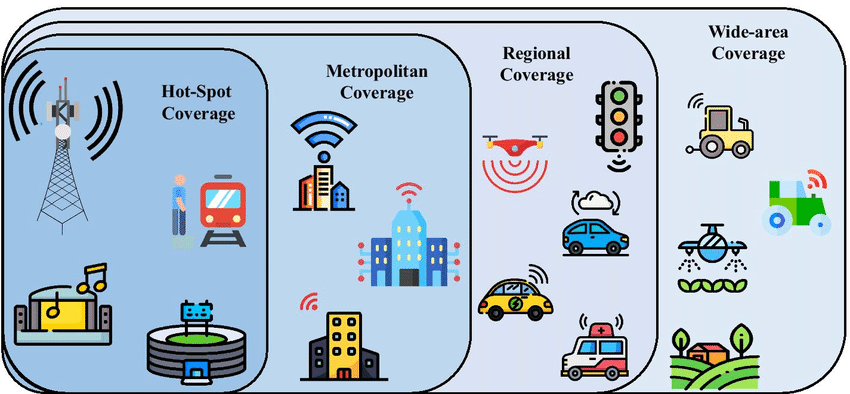
5G UC is not just about phones. It supports connected ecosystems.
Real-World Examples
- Connected vehicle dashboards in models like the BMW X7 M60i.
- Real-time navigation and infotainment in performance cars like the 2026 Ford Mustang Dark Horse SC.
- Seamless live sports streaming during games like Timberwolves vs Warriors.
As vehicles, entertainment, and mobile computing merge, fast mobile networks become essential.
5G UC vs Wi-Fi 6 and Wi-Fi 7
5G UC does not replace Wi-Fi. It complements it.
| Feature | 5G UC | Wi-Fi |
|---|---|---|
| Mobility | Excellent | Limited |
| Setup | Automatic | Router required |
| Best use | On the go | Home and office |
For mobile-first users, Ultra Capacity bridges the gap between cellular and broadband.
The Future of 5G UC After 2026
Ultra Capacity is still evolving.
Expect:
- Better indoor coverage
- Wider suburban and rural rollout
- Smarter AI-managed networks
- Foundations for early 6G research
To understand where mobile networks are heading, see this forward-looking breakdown.